



How to Make Water-Resistant Fabric: Simple Techniques You Can Try Yourself
Finding your favourite jacket soaked through during a sudden downpour is a frustrating experience every outdoor enthusiast knows all too well. You do not need to discard a coat just because the factory coating has worn away or because the original material lacks protection.
Understanding how to make water-resistant fabric at home helps you save money and extend the life of your outdoor gear.
In this post, you will learn the most effective ways to apply protective layers to different textiles and which methods work best for your specific needs.
Things to Consider Before Waterproofing Your Fabric

Before you begin melting wax or spraying chemicals, you must assess the garment and its material. Applying the wrong treatment can ruin a garment's texture or fail to provide the protection you need.
Here are the things to keep in mind to ensure a successful result.
Fabric Type
The chemical composition of your clothes dictates which treatment will stick. Natural fibres like cotton and canvas absorb wax beautifully.
Synthetic materials such as polyester or nylon usually require a chemical spray because they cannot absorb heavy oils or waxes.
Intended Use
Think about where you will wear the item. A heavy waterproof fabric used for a rucksack need not feel soft. However, a jacket you wear for hiking must remain flexible.
Some treatments make the material stiff, which is fine for a gear bag but uncomfortable when used on trousers.
Breathability
Waterproofing often creates a solid seal. This seal blocks rain, but it also traps sweat inside. So, if you are doing high-energy activities like climbing, you must choose a breathable treatment.
On the other hand, for items used in stationary conditions, such as gear covers, achieving a complete waterproof seal is more important than maintaining breathability.
Safety Precautions
Many waterproofing agents contain strong fumes or flammable components. You must work in a well-ventilated area.
Always wear gloves to avoid skin irritation and keep the materials away from open flames.
How to Make Water-Resistant Fabric Yourself

Once you have prepared your workspace and cleaned your item, you can choose a method based on the type of materials that are waterproof or require additional protection. Here are the different approaches to achieve the best results:
Wax-Based Methods
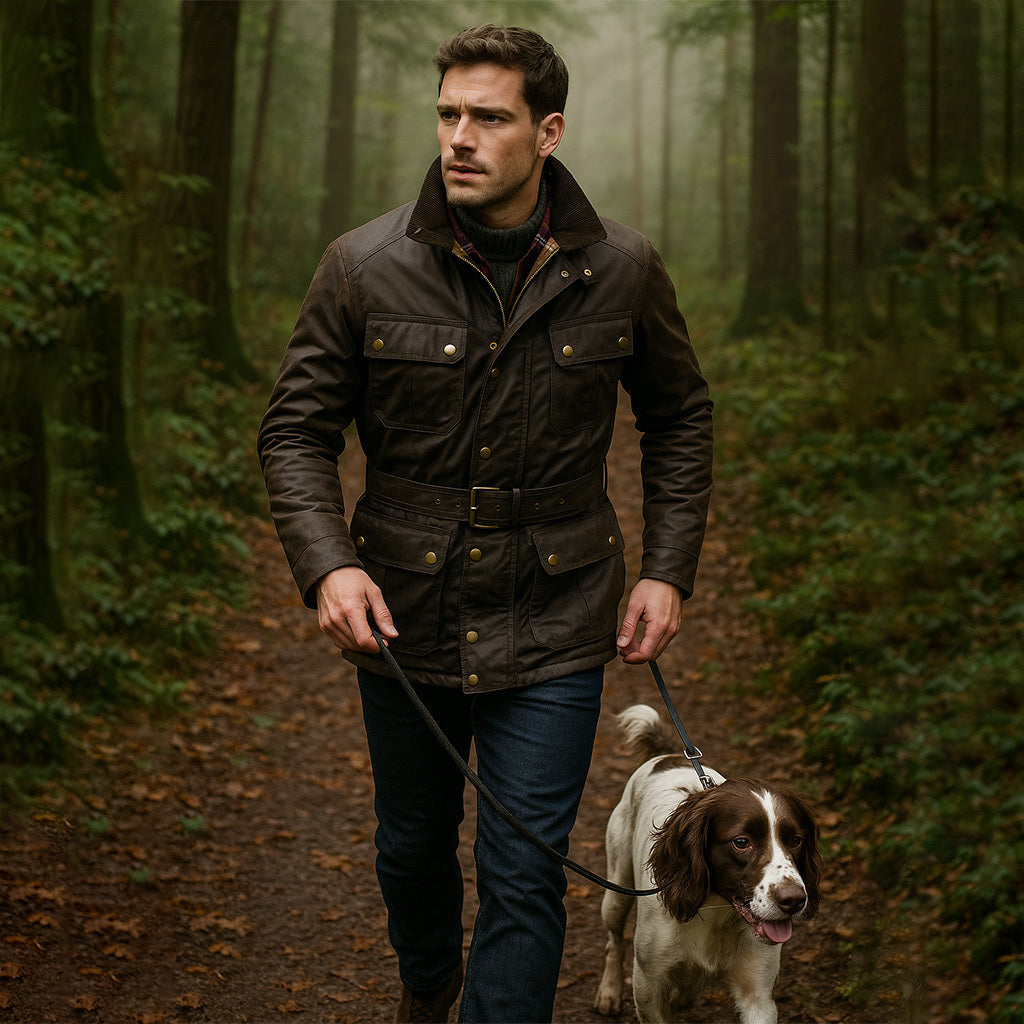
This is the most traditional way to handle waterproof apparel fabric. It involves rubbing a bar of paraffin or beeswax directly onto the material. It works best for:
- Heavy cotton
- Canvas bags
- Rugged field jackets.
To apply the wax in the right way, follow these steps:
- Clean the fabric thoroughly to remove any dust.
- Use a small block of wax (around 50–100g for a standard jacket). Rub lightly along seams before applying to flat surfaces.
- Now, rub the wax bar firmly over the surface until you see a visible, cloudy layer.
- Use a hair dryer on high heat to melt the wax deep into the fibres.
- Let the garment hang in a cool place for twenty-four hours to set.
The main benefit here is the incredible durability this method provides. However, you should know that wax-based methods add weight and can make the fabric quite stiff.
Spray-On Waterproofing
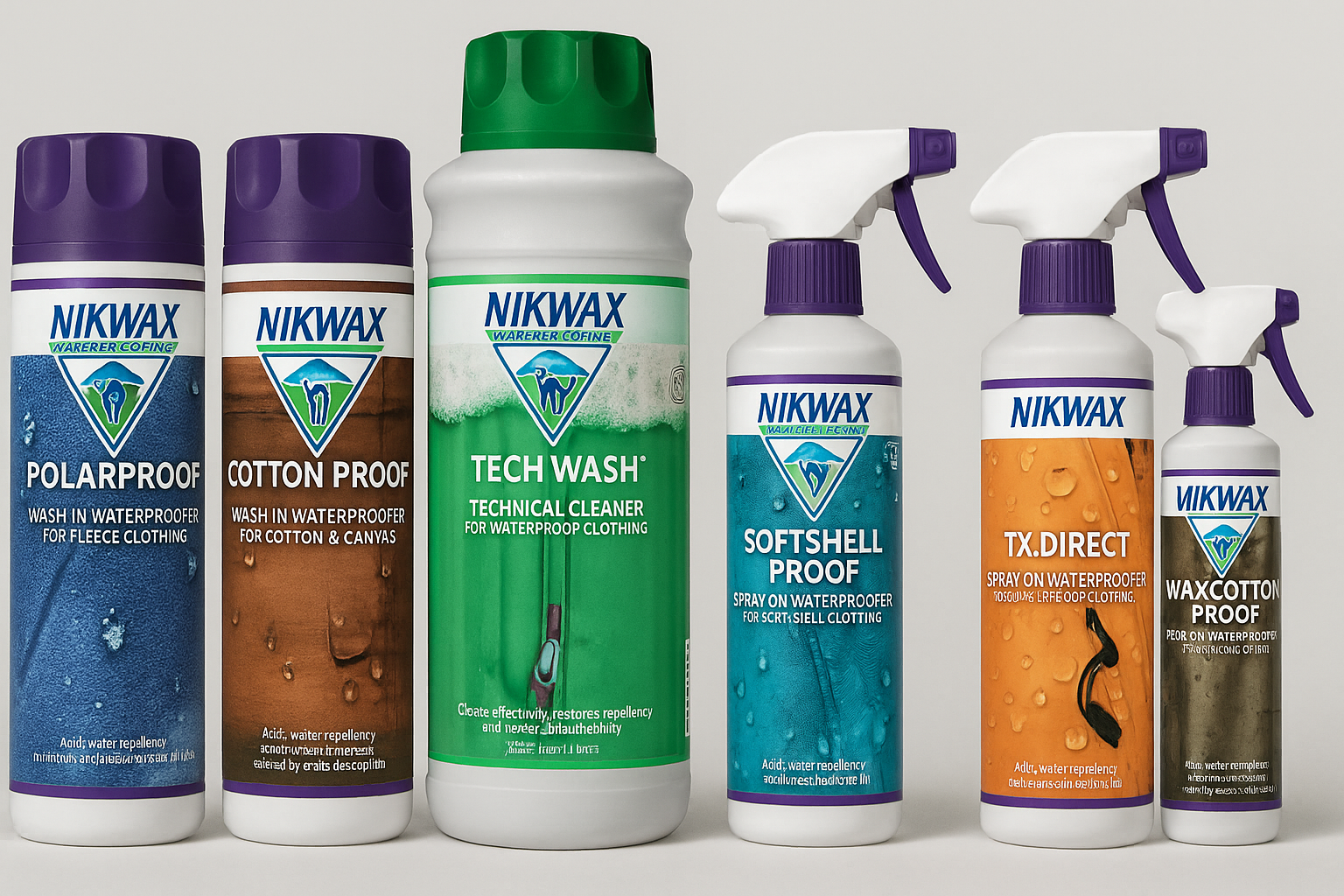
Spray-on waterproofing products usually contain fluoropolymers or silicone. They are the easiest to use for modern clothing and lightweight jackets.
You simply need to hang the garment outside and hold the can six inches away while applying an even coat. Spray in overlapping strokes for full coverage and let it dry for a full day in a shaded, dust-free area to prevent particles from sticking.
While this method is fast and keeps the fabric soft, the coating wears off faster than wax and needs frequent reapplication.
Silicone-Based Waterproofing
Silicone is a powerful water repellent often found in heavy-duty cans for footwear and rucksacks. It creates a thick, rubbery shield that is perfect for heavy waterproof fabric.
To apply this correctly, follow these practical steps:
- Lay the dry fabric on a flat, protected surface outdoors.
- Shake the can vigorously for at least one minute.
- Apply the silicone in slow, overlapping horizontal strokes to avoid gaps. Use approximately 150–200ml for a standard jacket.
- Use a small paintbrush to work the liquid into the stitched seams specifically.
- Wipe excess silicone immediately with a cloth to prevent sticky residue.
- Allow the item to cure in a dry, dust-free area for 12 to 24 hours.
Silicone-based treatments can alter the color of the fabric and significantly reduce breathability. Avoid using them on garments intended for active use, such as hiking jackets, where moisture management is essential.
Oil-Based Treatments
Commonly known as "oilskin," this method uses linseed oil mixed with mineral spirits. It is the go-to choice for long duster coats and heavy-duty farm wear.
Mix 1 part linseed oil with 1 part mineral spirits for easier application. For stronger waterproofing, you can use 2 parts oil to 1 part mineral spirits. Then, paint the mixture onto the fabric with a brush and hang it in a dry, ventilated area for 3–5 days to cure.
This method offers incredible protection against wind and heavy rain, but it has a very strong smell that lingers for weeks after application.
Performance Comparison of DIY Waterproofing Methods
The following table breaks down how each method performs across key categories to help you decide which one fits your specific kit.
|
Waterproofing Method |
Project Cost |
Expected Durability |
Effort Level |
Best For |
|
Traditional Wax |
£5 - £15 |
Very High |
High |
Jackets, Workwear |
|
DWR Spray |
£10 - £25 |
Low |
Very Low |
Hiking & Light Rain |
|
Silicone Seal |
£12 - £20 |
High |
Moderate |
Bags & Footwear |
|
Oil Treatment |
£8 - £15 |
Very High |
Moderate |
Farm & Field Coats |
How to Maintain Your Waterproof Gear
Applying the waterproofing treatment is only the first step. You must properly care for the waterproofing materials to keep the water-beading effect active.
Here are the tips for the longevity of your waterproof gear:
- Do not wash waterproofed items in a standard washing machine with harsh detergents.
- Rinse off mud and dirt with cold water and a soft sponge immediately after use.
- Avoid drying your gear near high-heat sources like radiators because heat can crack the coating.
- Check the water-beading effect every few months by splashing a few drops on the surface.
- Reapply treatments to high-wear areas like shoulders and elbows more frequently than the rest of the garment.
When to Consider Professional Waterproofing
DIY methods are excellent for general maintenance of outdoor gear. However, some situations require professional help.
If you have an expensive technical jacket, home wax treatments might clog the membrane and ruin the breathability forever. If you notice the internal taped seams are peeling away, a simple spray will not fix the leak.
Professional services have the industrial equipment to heat-press seams and apply factory-grade coatings. You should seek professional assistance if the item is a critical piece of safety equipment for extreme environments.
Conclusion
Creating weather-resistant gear at home is a rewarding way to stay dry without spending a fortune on new kits. Whether you prefer the rugged look of a waxed canvas or the convenience of a modern spray, these techniques give you control over your comfort in the field.
Always test a small patch of fabric first to ensure you are happy with the colour and texture changes.
For those who need gear built to withstand the harshest British weather, Game Clothing offers a wide range of durable, affordable apparel designed specifically for life outdoors.
Explore our collection designed to work seamlessly with DIY waterproofing methods.
FAQs
How often will I need to reapply the waterproofing?
If you use a wax bar, you might get a full season of protection before needing a touch-up. Sprays are much thinner, so you will likely need to spray the item again after a few heavy rainstorms or a gentle wash.
Does adding a waterproof layer change the colour of the kit?
You should expect the material to look a bit darker once treated. Wax and oil give fabric a deeper, richer tone that some people really enjoy, but you should always test a hidden spot first to be sure.
Will my jacket become stiff after I waterproof it?
Wax and silicone definitely add some structure and stiffness to the cloth. If you need your garment to stay soft and flexible for active movement, a high-quality water repellent spray is a much better choice than a heavy wax.
Leave a comment