




How to Waterproof a Jacket: Step-by-Step Rain Jacket Reproofing Guide
A wet jacket can quickly become uncomfortable, especially after extended use in heavy rain. Even high-quality technical jackets can start to absorb water over time as the Durable Water Repellent (DWR) coating wears down.
You do not need to replace your jacket when the DWR coating loses its effectiveness. In most cases, you can restore its water resistance with the right reproofing method.
In this guide, you will learn how to restore your outdoor kit's performance with effective rain-jacket waterproofing techniques.
Signs Your Rain Jacket Needs Reproofing

If your jacket starts to feel heavier or colder than it did when it was new, it often means the outer fabric is no longer repelling water and has become saturated.
Look for the following signs to decide if your gear requires a fresh waterproofing treatment.
- Dark Patches: Water no longer forms droplets on the surface; instead, it spreads and soaks into the fabric. The material may also appear darker as it absorbs moisture.
- Wetting Out: The outer layer stays damp for a long time after the rain stops.
- Internal Condensation: You feel damp inside the jacket even if it is not leaking. This happens because a saturated outer layer stops the breathable membrane from working.
- Visual Wear: You may notice worn or faded areas where your backpack straps rub against the shoulders.
What You Will Need to Re-Proof Your Jacket
You must gather the correct supplies before you start the process. Using standard household detergents can damage the technical membranes in your jacket. Here are the materials you require to complete the task properly.
- A special detergent designed for outdoor fabrics
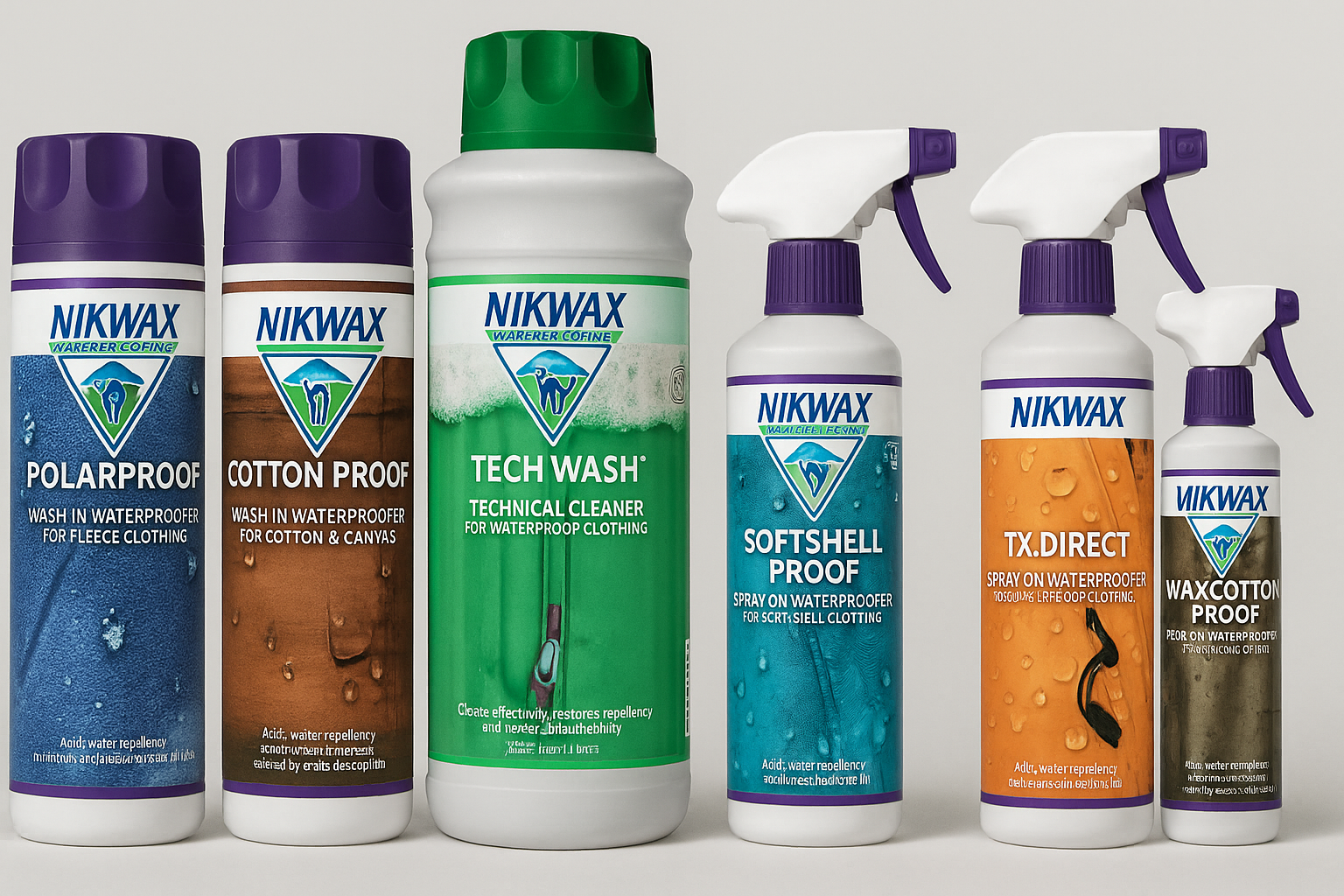
- Waterproofing Agent (a wash-in liquid or a spray-on treatment)
- A Clean Microfibre Cloth
- Tumble Dryer or Hairdryer
- Clean Washing Machine
How to Waterproof a Jacket Properly (Step-by-Step Guide)

Restoring your kit is a straightforward process if you follow the right sequence. Here is the step-by-step method to bring your waterproof jacket back to its original performance:
-
Prepare Your Gear
First, before your jacket touches the water, it needs a bit of preparation:
- Close all zippers and fasten every velcro tab. Leaving zippers open can cause them to snag or damage the fabric during washing.
- Empty all pockets and remove any loose items such as compasses, keys, or spent cartridges.
- Check the care label (inside the neck or side seam) to confirm the recommended water temperature for washing.
-
Wash Your Jacket the Right Way
You cannot apply a new waterproof coating over dirt and oils. Body oils and mud block the fabric's pores and prevent the proofer from bonding. So, in the second step, you need to wash your jacket to clean the membrane and prepare the fibres to accept the new treatment.
Follow these steps to clean your jacket properly.
- Scrub the detergent drawer of your washing machine to remove any traces of standard powder or fabric softener.
- Use a dedicated technical wash instead of regular household soap.
- Add your jacket to the machine only after it is fully prepped.
- Run a full cycle at the exact temperature stated on the care label.
- Rinse thoroughly and check that no soap residue remains on the fabric after the cycle finishes.
-
Reproof Jacket Using the Right Method

You now have two main options for applying the waterproofing treatment. Your choice depends on the construction of your jacket. You can use any of the given methods as per your requirements:
Option 1 – Wash-In Waterproofing
This method is best for jackets that require full coverage. You simply pour the liquid into the detergent drawer and run a second wash cycle. It ensures that the treatment reaches every fold and seam.
This is the easiest way to treat fleece-lined jackets or simple waterproof shells.
Option 2 – Spray-On Waterproofing
This is the best choice for jackets with a wicking liner or a mesh interior, where you don’t want to coat the inside because it can reduce breathability. Follow these steps to apply a targeted treatment:
- Place the damp jacket on a sturdy coat hanger to access all angles easily.
- Spray the liquid over the outer fabric from a consistent distance.
- Give extra attention to the shoulders and elbows where rain hits hardest.
- Use a clean, damp cloth to wipe away any drips for a professional finish.
Take a quick look at this comparison table to see the main differences in both methods at a glance
|
Feature |
Wash-In Method |
Spray-On Method |
|
Application |
Easy and automated |
Manual and targeted |
|
Coverage |
100% of the garment |
Outer shell only |
|
Best For |
Hard shells and fleeces |
Jackets with mesh liners |
|
Precision |
Low |
High |
-
Dry and Reactivate the Waterproof Coating
The fourth step is to reactivate the waterproof coating. Most waterproofing products require heat to activate the chemical bond. If the care label allows it, place the jacket in a tumble dryer on a low or medium heat setting for 30 minutes. The warmth helps the coating spread evenly across the fibres.
If you do not have a dryer, you can use a hairdryer on a low setting. Move the hairdryer constantly to avoid overheating any single spot.
-
Test Your Jacket
In the last step, you must test the results before you head back into the hills. Check your kit's performance with the following steps:
- Place the dry jacket on a clean, level surface.
- Flick a few drops of clean water onto the outer fabric.
- The water should form tight, round beads and roll away instantly.
- Look for any dark patches that suggest the fabric is still soaking up moisture.
- Decide if you need to apply another coat or if the jacket is ready for storage.
Maintenance Tips to Keep Your Jacket Waterproof Longer
You can extend the life of your waterproof treatment by following a few simple tips, such as:
- Always use a damp sponge to wipe off mud after a walk. Removing dirt promptly reduces the need for frequent full washes, which can wear down the waterproof coating over time.
- Do not dry your jacket on a radiator. Extreme direct heat can damage the taped seams and the waterproof membrane.
- Always hang your jacket in a well-ventilated area after use. Storing a wet jacket in a bag causes the coating to break down faster.
- Never use fabric softener on technical gear. The chemicals in the softener coat the fibres and destroy the water-repellent properties.
Conclusion
Taking the time to reproof your jacket is the best way to ensure it lasts for many seasons. It is a simple maintenance task that keeps you warm and dry when the weather changes.
By following the steps in this guide, you can protect the performance of your favourite outdoor kit and focus on the sport or the work at hand rather than the damp conditions.
If you are looking to upgrade your kit with gear built for the field and trusted by shooters, Game Clothing offers practical options designed to handle real-world outdoor conditions. With a focus on durability and weather protection, our collection covers everything from waterproof jackets to fleeces for men, women, and children.
Explore our range now to find waterproof gear that keeps you dry and ready for the field.
Leave a comment